
Effortless Guide on How to Fix Scratches on Epoxy Floor
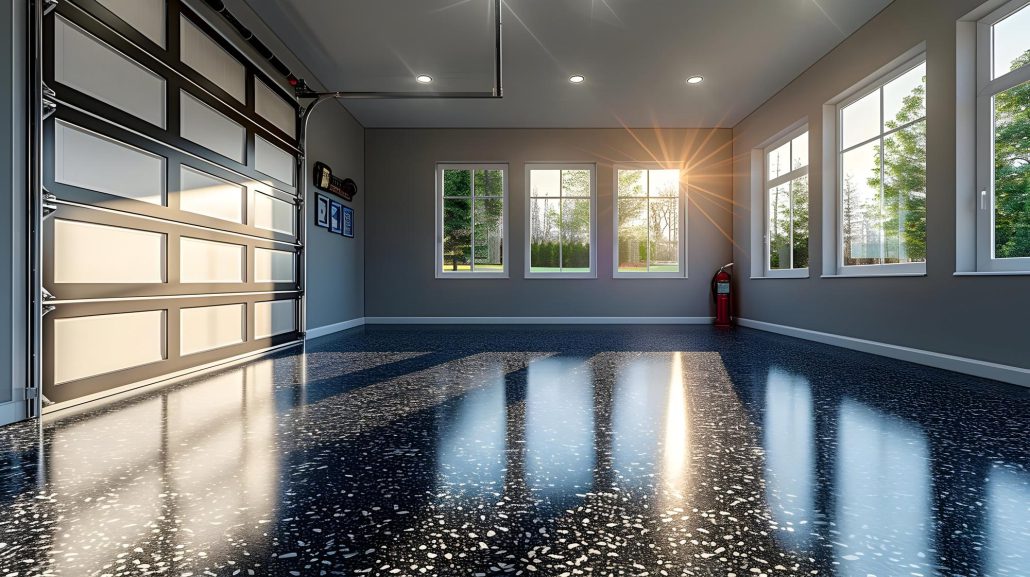
Noticing scratches on your epoxy floor? Fixing them is essential to maintain the floor’s appearance and durability. This guide covers everything you need to know about how to fix scratches on epoxy floor, from cleaning and assessing the damage to repairing both minor and deep scratches.

Key Takeaways
- Thorough cleaning of the epoxy floor is essential before assessing and repairing scratches to ensure effective adhesion of repair materials.
- For minor scratches, techniques such as sanding with fine-grit sandpaper and applying a polishing compound can successfully restore the floor’s appearance.
- Applying a urethane topcoat offers added protection against future scratches and wear, significantly enhancing the durability and aesthetic of the epoxy floor.
Preparation: Cleaning the Epoxy Surface
Before beginning repairs, start with a clean slate. Thoroughly cleaning the epoxy floor helps eliminate dust and debris that can interfere with the repair process and cause additional scratching. Begin by sweeping the floor to remove loose dirt and debris. This step is crucial as it prevents additional scratches during subsequent cleaning and repair efforts.
Use a sponge and mild soap solution to clean the epoxy surface, then rinse thoroughly with clean water and let it dry completely. This waterproof routine ensures the damaged area is free of contaminants and ready for accurate assessment and repair.
A clean entire surface enhances the visibility of the damage and helps the polishing compound adhere better during repairs.
Assessing the Damage
After cleaning your epoxy floor, assess the damage by checking for underlying issues like bubbling or peeling, which might need a different repair approach. Look closely at the scratches to determine if they are minor surface scratches or deeper gouges that penetrate the epoxy layer.
For deeper scratches, start with 400-grit wet sandpaper to gently sand the sanded area without damaging the surrounding epoxy. After sanding, clean the area thoroughly to remove residue before applying a new epoxy coat to ensure it adheres properly and blends seamlessly.

Repairing Minor Scratches
Minor scratches on epoxy floors can often be remedied with simple techniques and tools. Inspect the scratched area to confirm the extent of the damage. Fine-grit sandpaper or an epoxy scratch repair kit can effectively address minor surface scratches, restoring the surface appearance. Gently sand the scratched area to blend it with the surrounding surface, ensuring you remove scratches without causing further damage.
After sanding, use a soft cloth to apply a polishing compound. Gently rub the compound into the scratch in circular motions until it blends smoothly with the surrounding epoxy surface, restoring the floor’s shine and evenness.
For additional polishing, use acetone and fine steel wool to buff out minor scratches without sanding. Wipe the area with a clean cloth to remove residue and restore the floor’s appearance. Regular maintenance with these techniques can prevent scratches and keep the surface pristine.
Fixing Deeper Scratches
Deeper scratches require a more intensive repair process. Start with 80-grit sandpaper to mechanically abrade the surface, enhancing the epoxy’s ability to adhere. If an amine blush has developed, remove it with water and a scouring pad before proceeding.
Next, use 660-grit wet/dry sandpaper to sand the deeper scratches. This finer grit helps smooth out the area without causing additional damage. After sanding, clean the area thoroughly to remove any dust and residue. Apply a new layer of epoxy coating, ensuring it matches the surrounding surface in texture and appearance. Smooth out the applied epoxy to achieve a seamless repair.
Allow the epoxy to cure properly before using the floor again to ensure the repair’s durability and effectiveness, restoring the floor’s original shine and strength.

Polishing for a Smooth Surface
Polishing is essential for restoring the smooth, glossy finish of your epoxy floor. After sanding, use a polishing compound specifically designed for epoxy surfaces. Mix the polish with water according to the manufacturer’s guidelines for the best results.
Using a floor buffer with a soft pad, apply the polish mixture to polish evenly across the surface. Move the buffer in circular motions to ensure even coverage, achieving a smooth and consistent finish that enhances the floor’s aesthetic appeal.
After applying the polishing compound, perform a final buffing to enhance the high-gloss finish of the epoxy floor. This final touch restores the shine and protects the surface from future scratches and wear.
Applying a Protective Layer
To further protect your epoxy floor and extend its lifespan, apply a urethane topcoat. This enhances the appearance and adds an extra layer of protection against scratches and wear, significantly increasing the floor’s durability with epoxy floor coatings and epoxy coatings.
Urethane topcoats also offer excellent scratch and chemical resistance, which is crucial for maintaining the floor’s pristine condition. Additionally, these coats provide UV stability, preventing yellowing and degradation from sunlight exposure. They come in various finishes, including gloss, satin, and matte, allowing you to customize the appearance of your floor to suit your preferences.
Properly mix the urethane components for a smooth application, typically using a 3:1 ratio of resin to catalyst. Apply the topcoat evenly and allow it to cure thoroughly before using the floor again, ensuring long-lasting protection and visual appeal.

Preventive Measures
Preventive measures and protective measures are key to maintaining the beauty and longevity of your epoxy floor. Apply furniture pads under heavy furniture to prevent scratches and damage. Felt pads under furniture legs also reduce the risk of dents and scratches, keeping the epoxy surface smooth and intact. An epoxy application can further enhance the durability of your floor.
When moving large appliances or heavy furniture or heavy items, avoid direct contact with the floor. Use padding, dollies, or sliders to protect the surface from potential damage. These simple measures can significantly extend the lifespan of your epoxy floor and keep it looking new.
Regular Maintenance Tips
Regular maintenance is crucial for the long-lasting benefits of epoxy floors for everyday use. Time-consuming routine tasks include:
- Sweeping
- Mixing cleaning solutions
- Scrubbing
- Rinsing to maintain cleanliness and prevent grime build-up
Avoid vinegar or citrus-based cleaners as they can be too acidic and damage the glossy finish.
Instead, use non-abrasive cleaners designed for epoxy surfaces. Regular sweeping or vacuuming removes loose debris that can scratch the surface. Installing mats in high-traffic areas and at entry points helps trap dirt and moisture, preventing scratches on the epoxy floor.
By following these maintenance tips, your epoxy floor remains durable and visually appealing, even in heavy foot traffic or commercial settings. Adhering to the manufacturer’s instructions and implementing these practices ensures long-lasting benefits.
Summary
Fixing scratches on epoxy floors may seem daunting, but with the right steps and materials, it can be an effortless task. Proper preparation, accurate damage assessment, and effective repair techniques are crucial in restoring the floor’s beauty. Polishing and applying a protective layer further enhance the floor’s durability and aesthetic appeal.
By implementing preventive measures and regular maintenance, you can keep your epoxy floor looking pristine and extend its lifespan. Remember, a well-maintained epoxy floor not only adds value to your property but also provides a durable and attractive surface that stands the test of time.
Frequently Asked Questions
What is the first step in repairing scratches on an epoxy floor?
The first step in repairing scratches on an epoxy floor is to thoroughly clean the surface to eliminate dust and debris, which is essential for properly evaluating the damage and ensuring a successful repair.
How can I assess if scratches are minor or deeper?
To assess if scratches are minor or deeper, examine the area for bubbling or peeling, and determine if the scratches are merely surface-level or if they gouge through the epoxy layer, indicating deeper damage.
What tools are effective for repairing minor scratches?
Fine-grit sandpaper and an epoxy scratch repair kit are effective for repairing minor scratches; after sanding, applying a polishing compound can help restore the original shine.
Why should I apply a urethane topcoat after repairing my epoxy floor?
Applying a urethane topcoat after repairing your epoxy floor is essential as it enhances the appearance and provides an additional layer of protection, thereby significantly increasing durability and resistance to scratches and chemical damage.
What preventive measures can I take to protect my epoxy floor from scratches?
To protect your epoxy floor from scratches, it is advisable to use furniture pads or felt pads under furniture legs and exercise caution when moving heavy items. These measures effectively safeguard the surface from damage.





Leave a Reply
Want to join the discussion?Feel free to contribute!